

The water arrives before you do. Cold mountain water slides along stone channels cut into cliff faces, fed by cloud forest most visitors never see. Walk beside one and you follow an irrigation system five centuries old, now one of Europe’s most distinctive slow travel routes. Here is Madeira’s core trick: almost nothing on the island was built for tourists, and almost everything suits them.
Madeira sits about 700 kilometres west of Morocco, closer to North Africa than to mainland Portugal. It is an autonomous Portuguese region. The main island runs 57 kilometres long and 22 wide. Volcanic peaks rise above 1,800 metres straight out of the ocean. The climate is the island’s first and best argument.
The case against summer
The Mediterranean summer has become a problem. Peak season Iberia, Greece, and southern Italy now push past 40°C. Heat once read as holiday. Now it reads as risk. Madeira built its identity on moderation. The surrounding ocean holds temperatures in a narrow band.
Figures vary by source and location. Coastal averages sit between 17°C in the cool months and 24 to 25°C in summer. Funchal, the capital, sees its warmest month average in the low to mid twenties. Sea temperatures hold between 18°C and 24°C across the year. Heatwaves occur. A dry Saharan wind, the leste, sometimes pushes temperatures up and dusts the island in fine red sand. The baseline is mildness. Locals and the tourist board use the same phrase, eternal spring, and the marketing matches the meteorology.
Two caveats. This is not a reliable beach sun destination, and the climate is far from uniform. The trade winds keeping the island green also make the north coast and high interior wetter and cloudier than the sheltered south. Fog rolls in without warning at altitude. Mornings dawn grey over Funchal and clear by noon, or not. Madeira promises comfort, not endless sunshine. You visit in February or August with equal confidence.
Walking the water
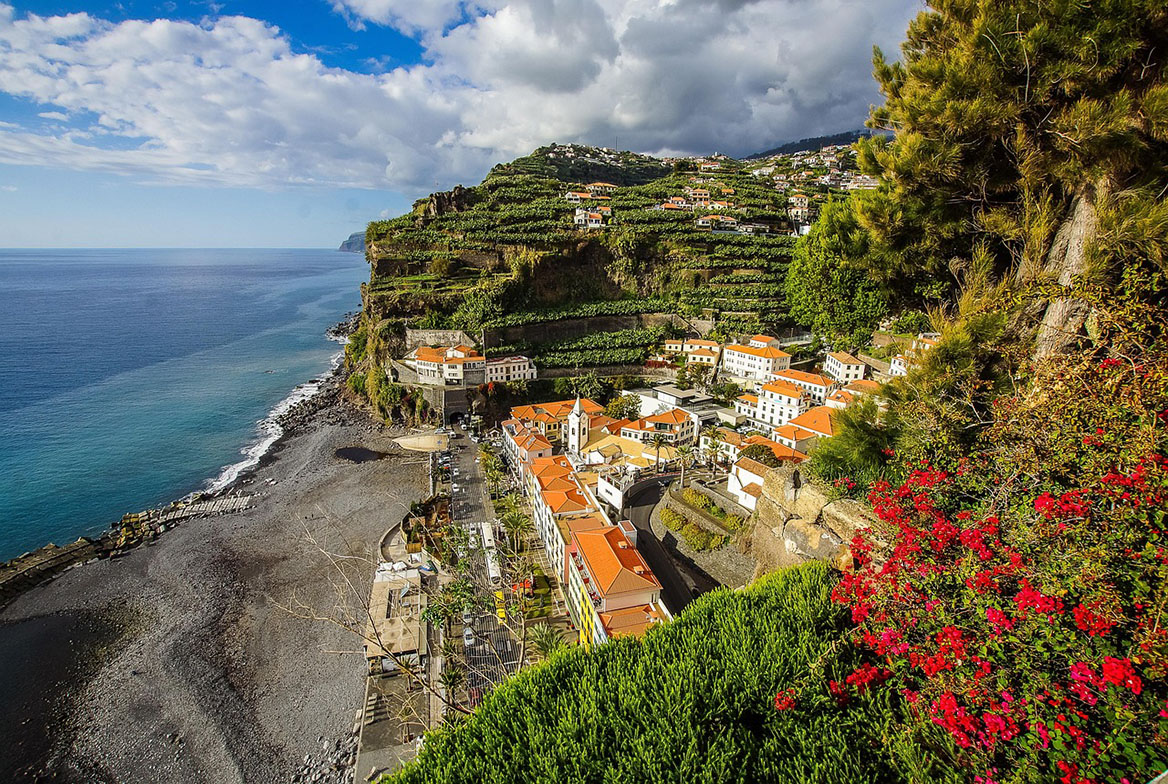
The levadas draw most considered travellers. The word comes from levar, to carry. Builders cut these channels from the fifteenth century onward, largely by hand, to move water from the rainy north to the dry, populous south. Estimates of the network’s length range from 2,000 to over 3,000 kilometres. Most channels still carry water for irrigation and hydroelectric power. The walking paths beside them are a by-product, not a design. This is part of their charm.
The best routes thread through the Laurisilva, the laurel forest listed by UNESCO in 1999. The forest is a relict, a fragment of a type once covering southern Europe, now confined to a few Atlantic islands. On Madeira it covers around 15,000 hectares, about a fifth of the island. Much of it is primary forest. Some trees are thought to be more than 800 years old. Walk in on a misted morning and ordinary sightseeing falls away. Water ticks along the channel at your hip. Ferns hold beads of condensation. A Trocaz pigeon clatters from the canopy.
Success brings strain. Tourism has climbed sharply, with visitor revenue reportedly passing €750 million in 2024, and the marquee trails show the pressure. The 25 Fontes springs at Rabaçal and the ridge route between Pico do Arieiro and Pico Ruivo are spectacular and congested. Authorities now require timed entry reservations for popular trails, reportedly with a fee near €5 for non-residents. Residents and young children are said to be exempt but must still register. The rules keep evolving. Check the current requirements for any specific hike before you arrive.
The quiet luxury workaround is to walk the lesser routes. The island holds hundreds of kilometres of trail. Older, less maintained channels deliver the same forest, the same water, and a fraction of the foot traffic. A private guide is no indulgence on these paths. A guide turns a crowded trail into an empty one.
Funchal, a serious small capital
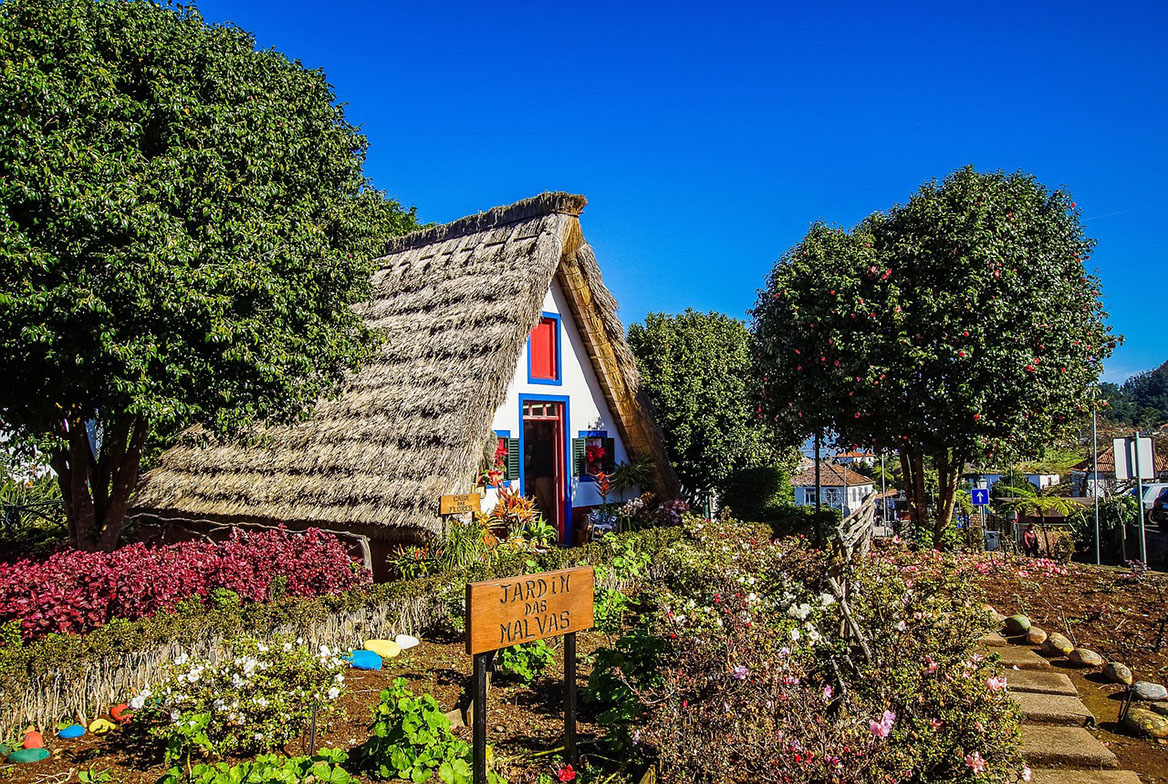
Funchal is the only place on the island reading as a city, and it carries the role with more sophistication than its size suggests. The city climbs from a working harbour into hills terraced with banana and vine. The centre rewards aimless walking. Black and white mosaic pavements. Hand painted doors on Rua de Santa Maria. The Mercado dos Lavradores, where vendors slice custard apples for you to taste, passion fruit and tree tomatoes glow under the lights, and fishmongers lay out the day’s black scabbardfish on crushed ice.
The dining surprises. A population of a few hundred thousand sustains real ambition at the top end, including the two Michelin starred Il Gallo d’Oro at The Cliff Bay, over a deep bench of confident, ingredient led kitchens. The best share restraint. They rely on what the Atlantic and the volcanic soil produce. Black scabbardfish with fried banana. Espetada, beef threaded onto a bay laurel skewer and grilled over wood until the fat catches. Limpets in garlic and lime. Bolo do caco, warm flatbread split and spread with garlic butter. The cooking persuades most when it stops trying to impress and puts the island on the plate.
Funchal is also the cradle of Madeira’s luxury identity, and the history clarifies what kind of luxury the island does well. In the nineteenth century, steamships made the Atlantic crossing routine. The island became a winter retreat for northern Europeans fleeing cold and damp. The grand clifftop hotel opened in 1891, built by a Scottish emigrant enriched by the wine trade. Its template endures: gardens draped in bougainvillea, an ocean facing terrace, afternoon tea, near convalescent calm. Madeira’s luxury was never about spectacle. It was about gardens, views, patience, and quiet service. This is the register a slow traveller wants.
A garden you stay inside
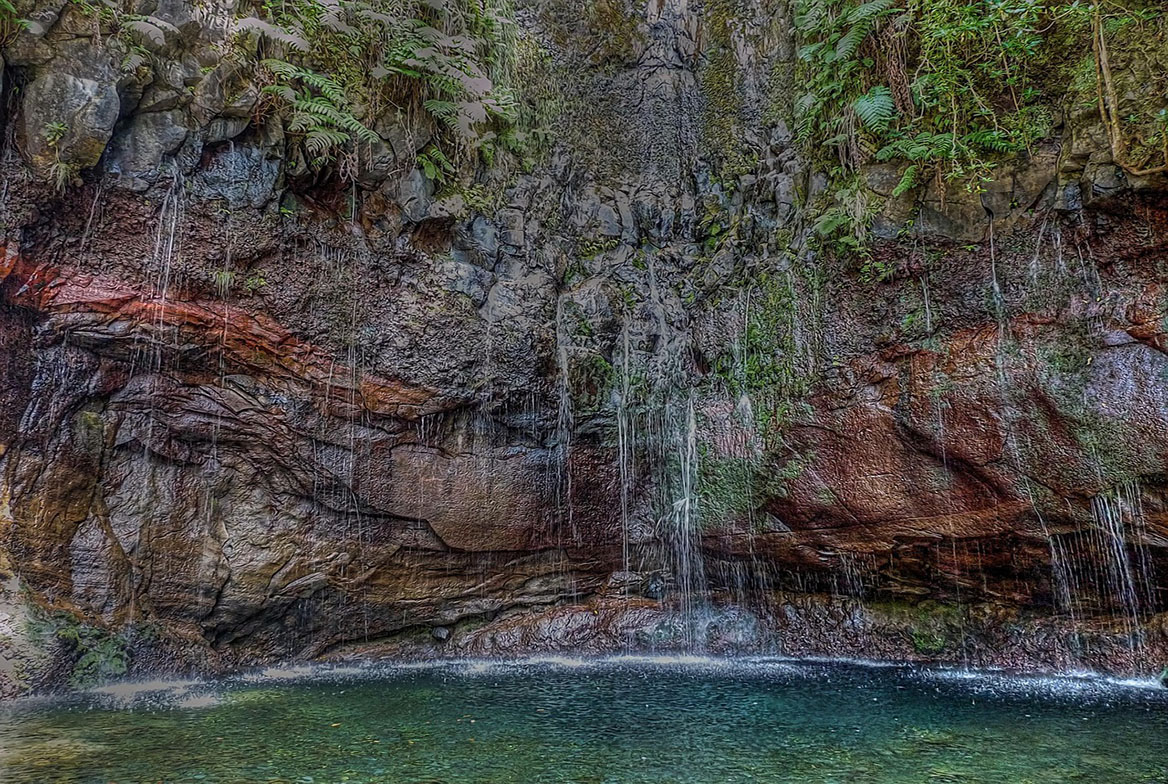
Madeira earns the label garden island. The mild, humid climate and rich volcanic soil let plants from nearly every continent thrive. The merchant families who built the grand hotels also built the quintas, estate houses ringed by gardens, in the hills above Funchal.
Two stand out, both high on the mountainside. The Monte Palace Tropical Garden layers a vast plant collection through a steep ravine, alongside Asian and African art, antique Portuguese azulejo tile panels, koi ponds, and waterfalls. The Madeira Botanical Garden, opened in 1960 across roughly eight hectares of terraces, holds more than 2,000 species and the finest view back over the city and harbour. Smaller spaces reward the visitor who treats horticulture as a destination: Palheiro’s camellia avenues, the municipal garden, the chapel topped park above the port.
Getting up to Monte is part of the experience. A cable car climbs from the seafront. The theatrical descend by carros de cesto, wicker toboggans steered down the steep streets by two runners in white. The ride costs around €35 for two or three passengers. The gardens are the substance.
The wine, and its lesson
Madeira wine explains the island. The wine is fortified, made in styles from bone dry aperitif to sweet dessert wine. Its defining trait is near indestructibility. The flavours, nutty and caramelised with notes of burnt sugar and stewed citrus peel, come from deliberate heat and oxidation. Tradition says producers found the method when barrels shipped on long sea voyages tasted better on arrival. Properly made, the wine ages over decades, sometimes centuries.
A popular story says Madeira filled the glasses at the toast to the American Declaration of Independence. The claim is charming, not verifiable. The wine’s longevity is beyond doubt. So is its place in island life: sampled at a historic lodge in Funchal, poured at the close of a tasting menu, or mixed into poncha, the local rum cocktail, which goes down more easily than its strength warrants.
The lesson is patience. Madeira wine rewards time, heat, and oxidation, conditions ruinous to a more delicate bottle. The island works the same way. A rushed weekend yields little. A week of slow mornings, long walks, and unhurried tables yields everything.
Who Madeira isn’t for
Honesty serves the reader better than enthusiasm. Madeira fits some travellers poorly, and directness helps.
It is not a beach holiday. The coastline is volcanic rock and pebble, not sand. The famous golden beach belongs to neighbouring Porto Santo, a short flight or ferry away. Madeira’s own sandy options are limited, and in one case imported. If your idea of luxury is two weeks beside a warm sea, look elsewhere.
It is not effortless. The terrain producing the views also produces the driving: narrow mountain roads, relentless switchbacks, frequent fog, and hire cars with manual gearboxes. Independent exploration asks for nerve. Private drivers and guides solve the problem and add cost.
It is not guaranteed sunshine, and it is not a party. The north and the heights are wet. Nightlife is gentle and confined to Funchal. And the island is no longer a secret. Headline trails crowd. Cruise days flood central Funchal with day trippers. Locals resent rising housing costs, audibly. No single traveller resolves this. Any traveller declines to worsen it: travel outside peak weeks, stay longer, spend locally, avoid the centre on heavy cruise days, choose the quieter trails over the photographed ones.
How to do it well
There is no wrong month, so choose the calendar against the crowds rather than the weather. Late spring and early autumn, roughly May and September into October, pair mild conditions with thinner crowds than high summer. Whenever you come, enjoy central Funchal early and late. Cede midday to the cruise tide. Point yourself north, west, and inland for quiet.
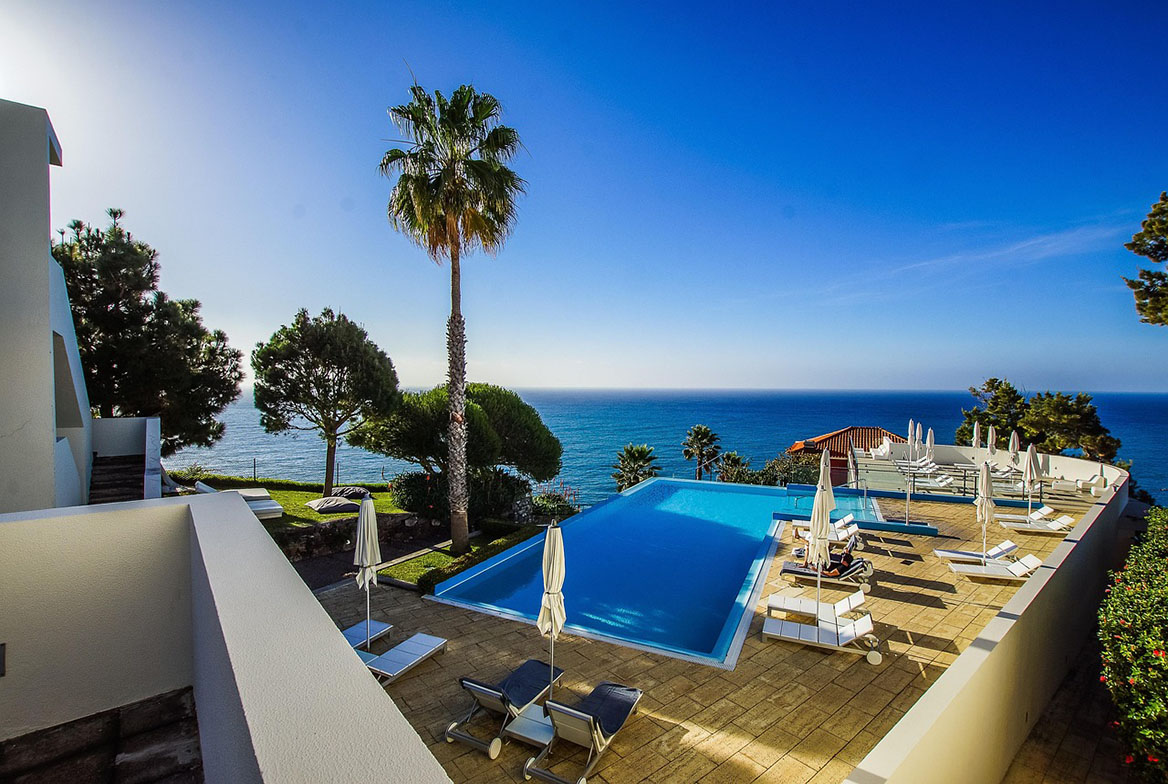
Base yourself, budget permitting, in one of the cliffside garden hotels descending from the nineteenth century tradition. The terrace and the view are the amenity. The calm is the product. A week suits the island far better than a long weekend. One base in Funchal plus a second on the wilder north or west coast beats a single hotel and daily mountain drives.
Plan the logistics. The airport sits about twenty minutes east of Funchal. A car unlocks the island, but most hire vehicles are manual and the automatics sell out. Reserve early, or hand the driving to a private guide and keep your eyes on the view. Pack for microclimates in every season: layers, a light waterproof shell, shoes with grip for wet levada stone, and swimwear for the natural sea pools. Carry cash for rural cafés and trail fees. Budget for the small nightly tourist tax now charged in parts of the island.
On the trails, book timed entry slots for the marquee walks before you fly. Pack a head torch for the unlit tunnels. Hold plans loosely, since fog and rain close paths at short notice. A guide who knows the unmapped channels is the best upgrade the island offers.
In Funchal, reserve the starred tables well ahead. Walk the Mercado dos Lavradores soon after opening, before the day trippers arrive. Ride the cable car to Monte first thing, when the gardens are emptiest and the light over the bay is softest. Then leave the capital for a night or two. The volcanic tidal pools at Porto Moniz, the green valley of São Vicente, and Ponta do Sol, point of the sun, all reward the detour. Porto Santo offers the long golden beach missing on Madeira, a short flight or ferry away.
Resist the urge to see everything. Madeira is not a checklist. It is a place to slow down inside. The island solved a problem everyone else still struggles with. Repay the favour by taking your time.





Leave A Comment