

Quiet luxury moved from fashion to hospitality fast. It began as a way to signal wealth through cut and cloth instead of logos. Now it is the default language of high-end travel. Hotels once sold marble lobbies and chandeliers. Today they sell seclusion, natural materials, and “effortless” service. Linen, lime-washed walls, and a muted palette have become branding.
This creates a problem for you. When every property claims to be understated, understatement stops signalling anything. A real quiet luxury hotel and a property redecorated to look the part photograph almost identically. Choosing well is not about spotting a style. It is about reading what sits underneath it. How a place runs. Who runs it. Whether the restraint is a philosophy or a marketing layer.
This guide shows you how to tell the difference, for hotels and for private villas.
What “quiet luxury” actually means in hospitality
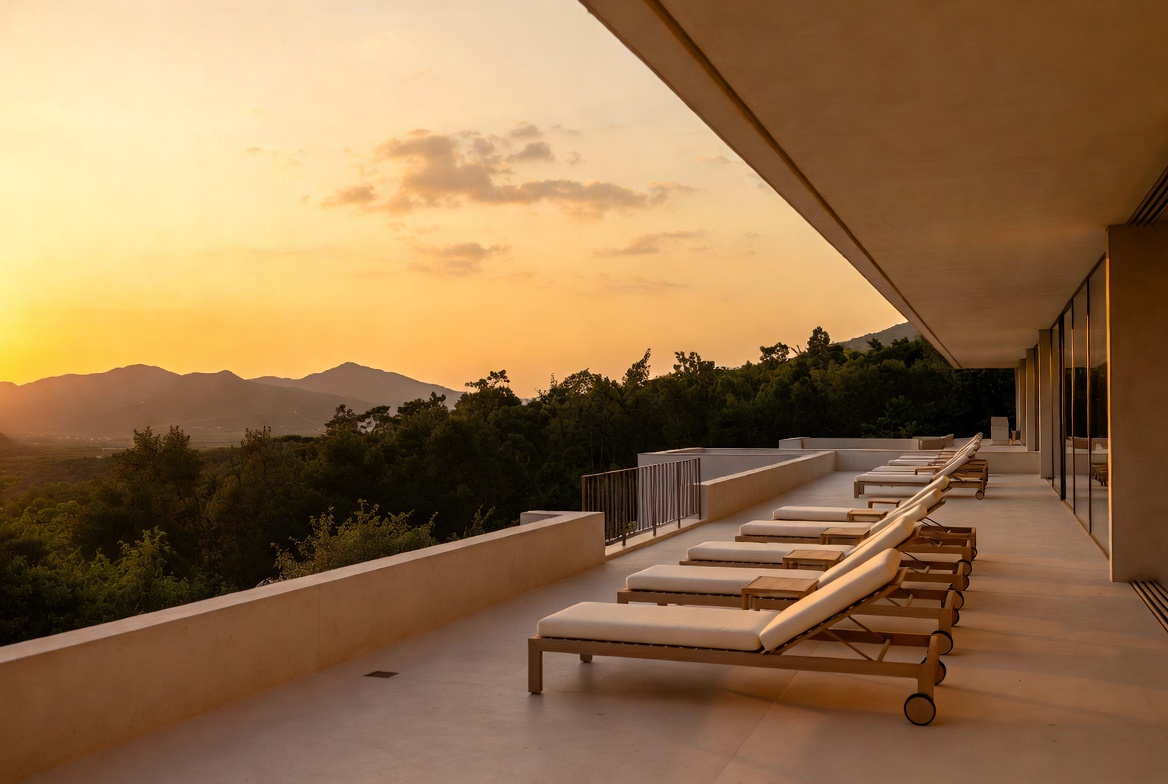
Start with a working definition, not a mood board. In hospitality the term describes four things. Seamless, near-invisible service. High-quality but unshowy materials. Food built around local ingredients. Discreet locations chosen for atmosphere over visibility.
The wider shift is clear. The wealthiest travellers now favour secluded destinations over crowded hotspots. They value privacy, personalisation, and discretion over grandeur. The most expensive things on offer are space, silence, and the sense nothing is being demanded of you. Some call this “stealth wealth.” Luxury hides rather than announces itself.
The key point is simple. This is a philosophy of operation, not a style of decoration. A calming palette is easy to buy. Anticipatory service, deep local knowledge, and real seclusion are hard and costly to sustain. They remain the most honest signals of the real thing.
Beware the aesthetic without the substance
The fastest way to be fooled is to treat quiet luxury as a look. The visual codes are now well understood, so they are widely copied. Natural stone and wood. Neutral tones. Minimalist rooms. Any property with the right furniture and a good photographer looks like a sanctuary. Many deliver ordinary service from a rotating, undertrained team behind the photos.
The tell sits in the gap between image and operation. Ask a few direct questions. Does the property limit its own scale, or does it run hundreds of rooms in beige? Is the location quiet, or is “secluded” covering for a site near a busy road? Does it describe how guests are cared for, or only how the rooms look? Substance leaves traces styling cannot fake. Most of those traces appear in the categories below.
Verifying a hotel: what the rating bodies really tell you
Independent assessment is one of the few outside checks you have when you cannot inspect a property yourself. The value of each badge varies. None gives you a complete answer.
The most rigorous global system is the Forbes Travel Guide. It calls itself the only independent international rating system for luxury hotels, restaurants, and spas. It grew out of the Mobil Travel Guide, launched in 1958. Its method gives it weight. Anonymous inspectors check in as ordinary guests. They grade properties against several hundred objective standards, weighted heavily toward service. Reporting on the guide puts service at roughly 70 percent of the rating and the condition of facilities at the remaining 30 percent. For quiet luxury the balance matters, because the experience lives in the service, not the surfaces. The Five-Star tier stays narrow. Only a few hundred hotels worldwide have held it in recent years. The rating is a strong, if imperfect, sign a property’s service has been tested rather than claimed.
Membership collections work differently, so read them differently. Relais & Châteaux, founded in 1954, is an association of independently owned hotels and restaurants, several hundred across five continents. Members apply for entry and face the organisation’s own inspectors. Its focus on independent ownership and cooking makes it a useful filter for character, the opposite of corporate sameness. The Leading Hotels of the World, Small Luxury Hotels of the World, and the travel-advisor network Virtuoso work on similar lines. They curate, vet, and lend credibility to independent properties you might never find alone.
Two cautions apply. First, these collections are memberships, and membership has a commercial side. Inclusion means a property meets a standard. It does not mean the property is the best available. Second, the national “star” ratings on booking sites often measure facilities and amenities, not service. They are a blunt and dated tool. Use the serious independent ratings as a floor, not a verdict. Then look at how a property behaves.
The real markers of a genuine quiet luxury hotel
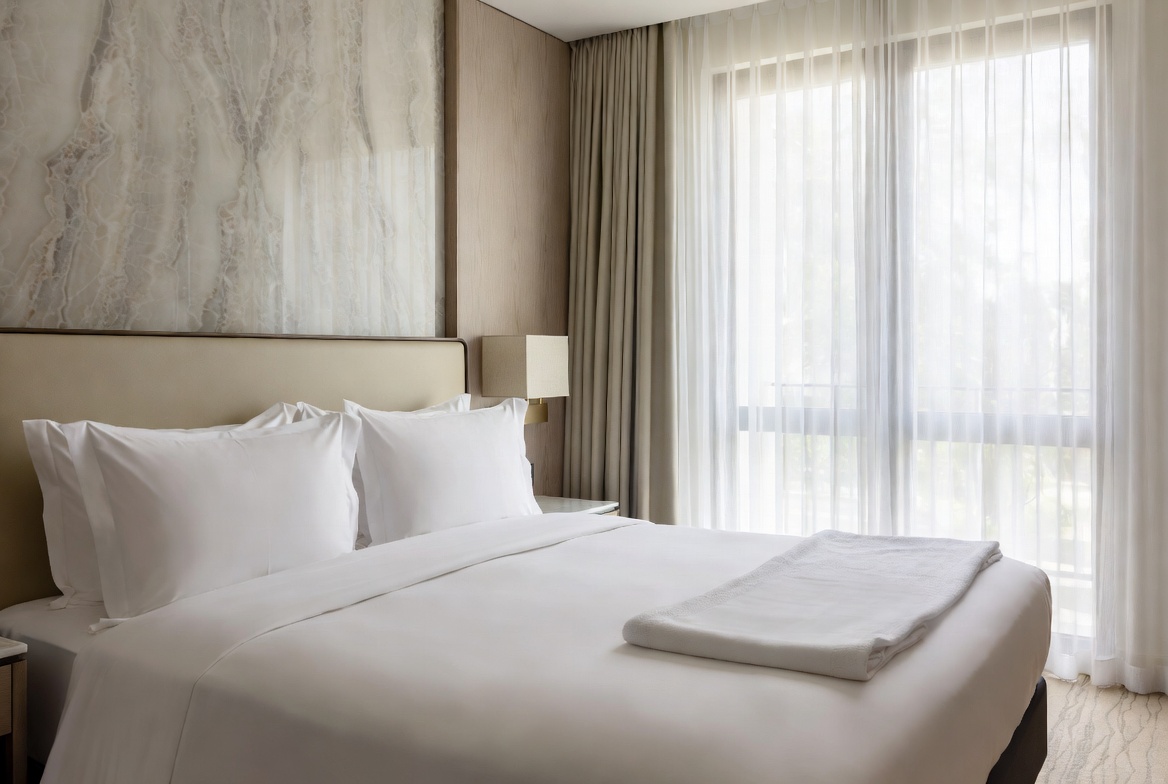
Past the badges, a handful of operational signals separate the authentic from the decorated.
Scale and intimacy. Real quiet luxury is hard to deliver at volume. Aman is the category-defining brand here. Its properties stay small, often under 40 or 50 rooms, so a guest disappears into the setting instead of being processed through it. When a property limits its own size, it chooses the guest over the balance sheet. Big room counts and quiet luxury rarely sit together honestly.
A service philosophy, not a service script. The clearest difference is standardised procedure versus real anticipation. At the top of the market, service reads as almost invisible. Rooms reset while you swim. Preferences are remembered without being asked. Needs are met before you voice them. Aman explains its culture through the Japanese idea of omotenashi, anticipating a guest’s needs before they speak, and hires for warmth over rigid credentials. Six Senses calls its staff “Guest Experience Makers.” Ritz-Carlton gives employees the discretion to create personal moments and keeps detailed records of guest preferences. The reported staff-to-guest ratios at the top, sometimes cited as high as six to one at Aman, are the economics behind that unforced attention.
Materials and sense of place. Authentic properties invest in timeless architecture and natural materials, stone, wood, honest fabrics, to build a calm rooted in their location rather than a trend. The best of them are inseparable from where they stand. A restored fort. A historic palazzo. A building made of and for its setting. A hotel able to sit anywhere unchanged has only a decorative sense of place, not a real one.
Discretion. Privacy is one of the hardest luxuries to fake. At serious properties, staff are trained not to acknowledge who else is on the grounds. Arrivals and arrangements are handled so a guest’s presence is not broadcast. The whole operation lets people go unobserved. Look for evidence privacy is built into how the place works, not printed in the brochure.
True versus fake: a few real-world tells

Principles are easier to apply against real cases. Two well-documented properties show the genuine article.
Take Amangiri in Utah. Aman’s desert resort spreads across roughly 900 acres of the Colorado Plateau and holds only about 34 suites. That land-to-guest ratio is what real intimacy costs. The architecture, cast concrete and local stone in a muted palette, dissolves into the surrounding mesas instead of dominating them. In places the architects framed the desert view as the artwork and skipped the television. A newer six-bedroom villa sits on its own nine-acre plot with a dedicated chef and host, carrying the same logic to villa scale. Nothing about it shouts. Everything about it is costly to sustain.
Sublime Comporta makes the same case in Portugal. The estate sits about 90 minutes south of Lisbon, spread across roughly 17 hectares of pine and cork forest. A couple of dozen rooms and suites share the grounds with cabana-style villas, each tucked among the trees for privacy. The materials are honestly regional: cork, exposed timber, cement floors, linen. The sustainability is structural, not ornamental, with an organic garden feeding the restaurants and spa, solar power, and a biological pool. Guests and reviewers keep pointing to service that stays warm and attentive without tipping into performance. That is the quiet luxury test in one line.
The imitations follow patterns rather than a single name. The most common is the large chain resort that swapped gold trim for a greige palette, added “wellness” to the spa menu, and kept its several hundred rooms, buffet breakfast, and rotating staff. Calm bolted onto the economics of volume. The second is the villa listing dressed to look boutique: beautifully shot, vaguely “fully staffed,” offering a “concierge” that turns out to be a phone number, with no written contract, no verifiable reviews, and a host who will only message you. The third is subtler. It is the city hotel that renames an ordinary room a “sanctuary suite” and a routine check-in a “ritual,” changing the words while leaving the experience untouched. The giveaway is always the same. The language of restraint with none of the operational substance behind it.
Choosing a private villa: a different discipline
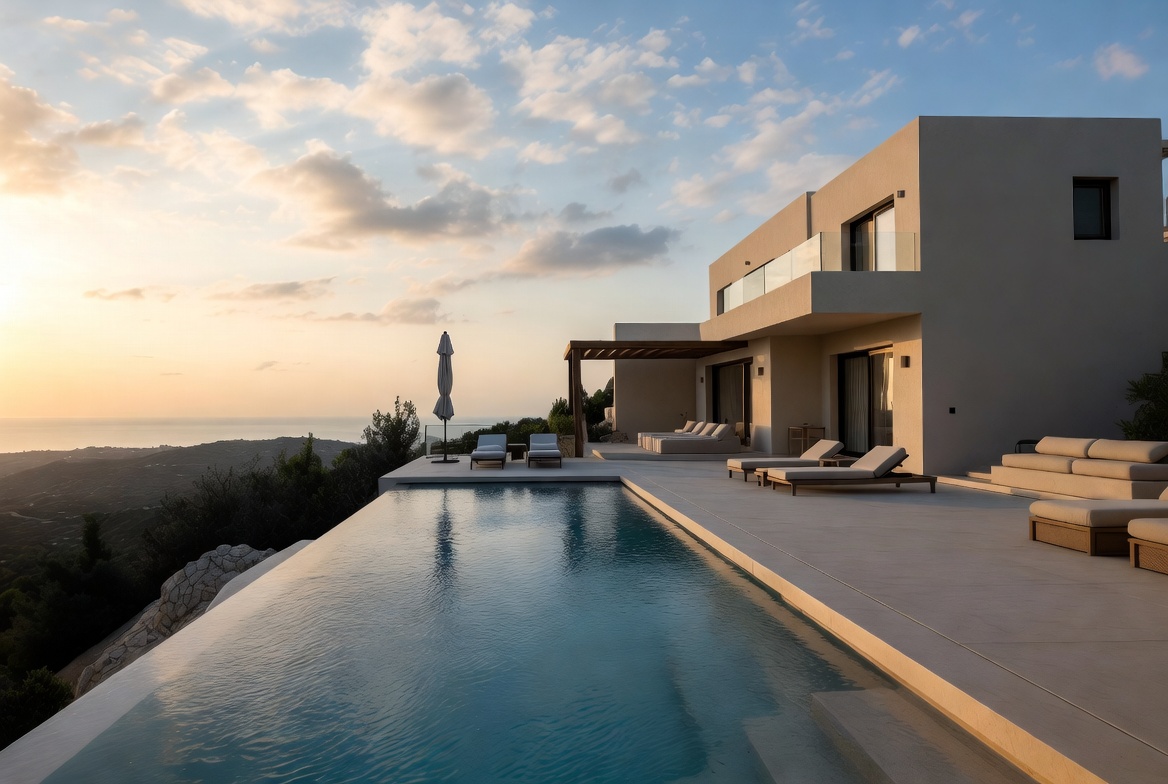
A private villa gives you something a hotel cannot. A whole property to yourself. No shared spaces. No changing cast of other guests. A schedule entirely your own. That freedom comes with far less standardisation. Hotels run consistent service models. Villas vary widely in layout, staffing, and management. The work of due diligence shifts onto you.
Vet the operator, then the property. The most useful question is who stands behind the listing. The best villa companies behave like boutique hotels, not property managers. They know every home in their portfolio in person. They hold long relationships with local vendors. They anticipate needs. Insist on speaking to a real representative by phone, not only by message. A refusal to talk directly is a known warning sign. Fraudulent listings sometimes reuse photos and descriptions stolen from real homes, so confirm the villa exists and matches its images by checking the address on mapping and street-view tools before you pay anything.
Interrogate the word “staffed.” “Fully staffed” is one of the most elastic phrases in the market. It might mean a daily housekeeping team, a private chef, a butler, and a house manager. It might mean one person who stops by in the morning. Ask exactly which staff are included, on which days, for which hours. Ask what sits outside the headline rate. Groceries, the chef’s time, pool heating, spa treatments, transfers, and equipment hire are commonly extra. The answer doubles as a quality test. A vague reply usually means a vague operation.
Apply the concierge test. A strong concierge turns a beautiful house into an effortless stay. Probe how it works. Is there one dedicated contact who learns your group’s preferences and schedule, or a rotating team starting cold each time? When they arrange a chef, a boat, a driver, or a hard-to-book table, are they using vetted long-term partners or making cold calls for you? The difference shows up directly in how smooth the stay feels.
Read the contract and the reviews. A professional rental comes with a clear written agreement covering cancellation, house rules, liability, and disputes. No agreement is a reason to walk away. Be wary of properties with no reviews, or with reviews that read identically. Real feedback tends to mention specific details about the house, the staff, and the management. Look for verified-guest reviews, not a platform rating alone.
Know the payment norms. In the luxury villa market you typically pay a deposit, commonly around 30 percent, at booking. The balance usually falls due somewhere between 30 and 120 days before arrival, depending on the property. That structure is normal and not a red flag. Worry about pressure to pay in full at once, demands for untraceable payment methods, or terms far outside this pattern.
A short pre-booking checklist
Before you commit to a hotel or a villa, a few questions cut through most of the marketing.
- Who verifies this? An independent rating like Forbes, a serious membership collection, or genuine verified reviews. Not the property’s own description alone.
- What is the scale? A small room count or a single private house. Restraint in size is a meaningful signal.
- How is service delivered? A dedicated, consistent team and anticipatory care, against a rotating staff and a standard script.
- What is included? Precise staffing, hours, and the full list of extra costs, in writing.
- Is discretion built in? Privacy treated as structural, not promotional.
- Are the terms normal? A clear contract and a standard payment schedule, with any deviation explained.
The point of all this restraint
Remember what quiet luxury is for. The category exists because experienced travellers decided the scarcest things money buys are no longer gold trim and grand gestures. They are space, time, privacy, and the feeling of being known without being watched. You cannot style those into existence. They have to be built into how a place is owned, staffed, and run.
That is the reassuring part. The qualities hardest to fake are intimate scale, anticipatory service, real seclusion, honest materials, and a clear and confident way of doing business. They are also the ones most worth paying for. Look past the palette to the operation beneath it. Ask the few questions marketing cannot survive. The genuine article tends to show itself. The quiet should come from the place, not from the brochure describing it.




Leave A Comment